Seismic activities are natural phenomena that occur beneath the Earth’s surface and can have devastating effects on human settlements, infrastructure, and the environment. Detecting and monitoring earthquakes are crucial for early warning systems, disaster preparedness, and scientific research. One of the key components of earthquake detection systems is seismic wire, a specialized instrument that plays a critical role in capturing and transmitting seismic signals.
seismic wire, also known as seismic cable or geophone cable, is a durable and flexible cable made of fine wires encased in a protective sheath. These cables are used to connect seismic sensors, such as geophones or accelerometers, to data acquisition systems for monitoring ground vibrations caused by seismic activities. seismic wire is typically buried underground or deployed on the surface to capture seismic signals accurately and reliably.
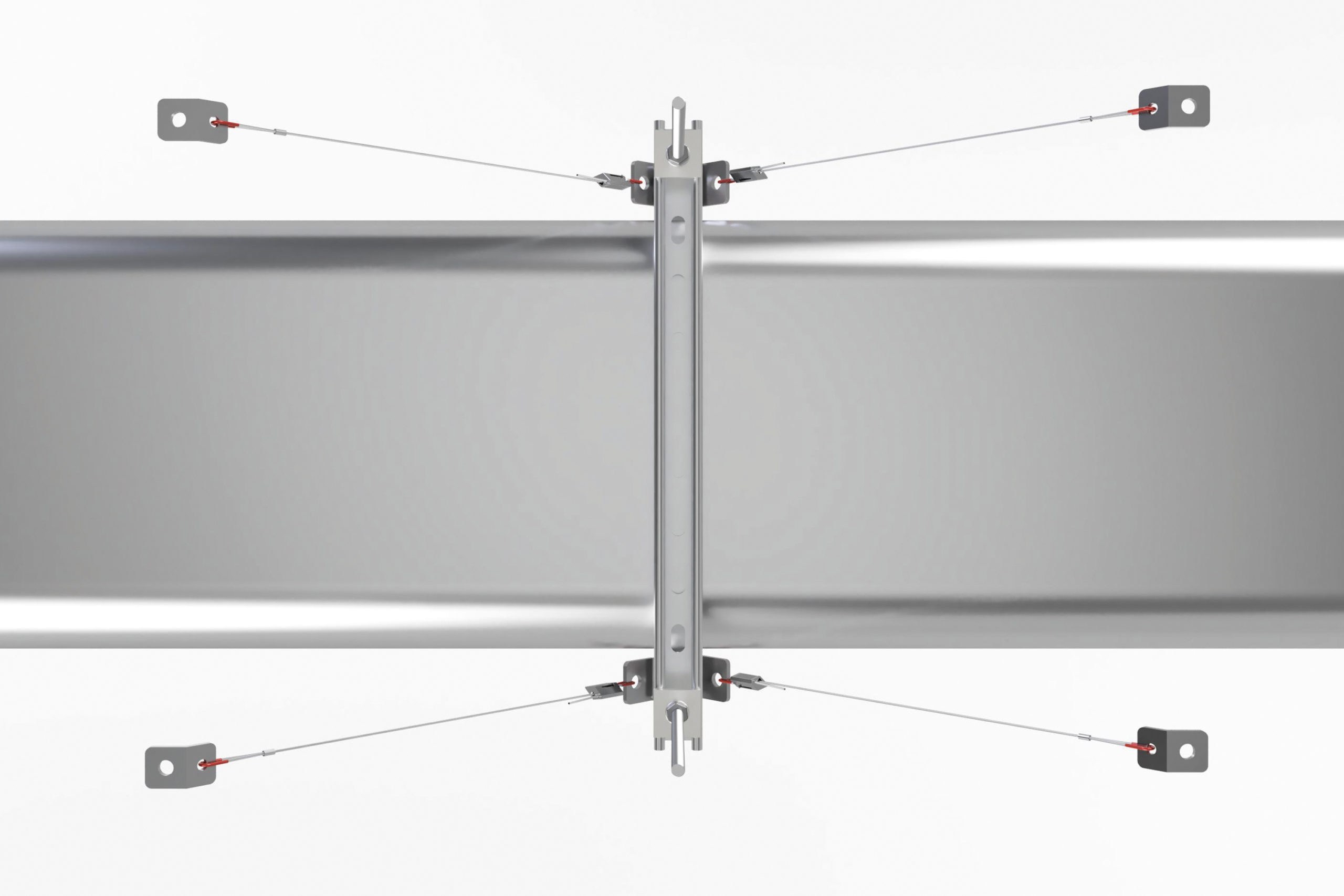
The primary function of seismic wire is to transmit seismic signals from the sensors to the data acquisition system without distortion or interference. The design and construction of seismic wire are crucial in ensuring optimal signal transmission and noise reduction. The fine wires inside the cable are carefully insulated and shielded to minimize electromagnetic interference and external noise, which can affect the accuracy of seismic data.
seismic wire is designed to withstand harsh environmental conditions, including extreme temperatures, moisture, and physical stress. The protective sheath surrounding the fine wires provides resistance against abrasion, corrosion, and impact, ensuring the longevity and reliability of the cable in the field. This durability is essential for maintaining the functionality of seismic monitoring systems in remote or hazardous locations where maintenance is challenging.
The installation of seismic wire is a meticulous process that requires careful planning and expertise to ensure its effectiveness in earthquake detection. The cables are laid out in a grid pattern across the area of interest, either on the surface or buried underground, to cover a wide area and capture seismic signals from different directions. Proper spacing and placement of the cables are critical for detecting seismic waves accurately and analyzing the characteristics of earthquakes.
In recent years, advances in technology have led to the development of more sophisticated seismic wire systems with enhanced capabilities for earthquake detection and monitoring. Modern seismic cables incorporate advanced sensors and communication technologies, such as fiber optics and wireless connectivity, to improve the speed and accuracy of data transmission. These innovations enable real-time monitoring of seismic activities and more precise detection of earthquakes.
The use of seismic wire in earthquake detection has revolutionized the field of seismology, providing researchers and emergency responders with valuable insights into the behavior of earthquakes and their impacts on the environment. By analyzing the data collected from seismic wire systems, scientists can study the characteristics of seismic waves, determine the location and magnitude of earthquakes, and assess the seismic hazard in a given region.
Seismic wire plays a crucial role in early warning systems for earthquakes, providing valuable seconds to minutes of warning before the ground shaking reaches populated areas. By detecting the initial seismic waves generated by an earthquake, seismic wire systems can trigger automated alerts and activate emergency response protocols to protect lives and minimize damage. This early warning capability is essential for improving public safety and disaster preparedness in earthquake-prone regions.
In conclusion, seismic wire is a vital component of earthquake detection systems, enabling the accurate monitoring and analysis of seismic activities for scientific research and disaster management. The durability, reliability, and advanced capabilities of modern seismic cables make them indispensable tools for seismologists, emergency responders, and government agencies in monitoring and mitigating the impacts of earthquakes. As technology continues to evolve, seismic wire will continue to play a crucial role in enhancing our understanding of earthquakes and improving our ability to respond to seismic events effectively.
By utilizing the power of seismic wire, we can strengthen our earthquake detection and monitoring systems, ultimately saving lives and reducing the impact of seismic events on society and the environment.