In the world of HVAC systems, ductwork plays a crucial role in ensuring proper air circulation and temperature control. One method of installing ductwork that is becoming increasingly popular is suspended ducting. suspended ducting involves hanging ductwork overhead rather than installing it on the floor or walls. This method offers numerous benefits that make it a desirable choice for many HVAC professionals and building managers.
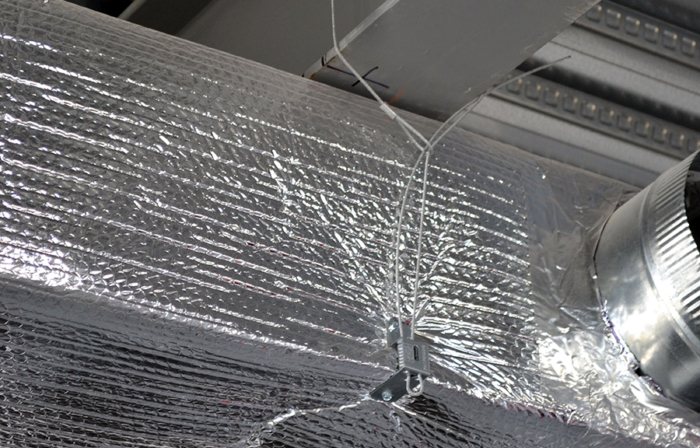
One of the primary advantages of suspended ducting is that it saves floor space. Traditional ductwork requires significant square footage on the floor or walls to accommodate the system. By suspending the ductwork overhead, this valuable space can be utilized for other purposes. This is particularly beneficial in commercial buildings where floor space is at a premium and every square foot matters. suspended ducting allows for a more efficient use of the available space, creating a cleaner and more organized environment.
Another benefit of suspended ducting is improved airflow. When ductwork is installed overhead, it allows for more direct and unobstructed airflow, leading to better circulation of air throughout the building. This can result in more consistent temperatures and improved indoor air quality. Additionally, suspended ducting can reduce the risk of dust and debris buildup compared to ductwork installed on the floor or walls. This can help prevent clogs and blockages in the system, leading to smoother and more efficient operation.
suspended ducting also offers more flexibility in design and layout. With traditional ductwork, there are limitations on where the ducts can be installed due to floor space and obstacles. Suspended ducting allows for more creative and adaptable designs, as the ductwork can be hung from the ceiling at different heights and angles to accommodate the building’s layout. This flexibility can be particularly useful in retrofitting existing buildings or in situations where the space is limited or irregularly shaped.
Additionally, suspended ducting can help reduce installation time and costs. Installing ductwork overhead is often quicker and easier than traditional methods, as it eliminates the need for extensive floor or wall mounting. This can result in savings on labor costs and reduced disruption to the building occupants during installation. Furthermore, suspended ducting can be easier to access for maintenance and repairs, as the ductwork is readily visible and reachable from the ground. This can lead to faster and more efficient servicing of the HVAC system, ultimately saving time and money in the long run.
From an aesthetic standpoint, suspended ducting can also offer a sleek and modern look to a building’s interior. The exposed ductwork can be a design feature in itself, adding an industrial flair to the space. Many architects and designers appreciate the versatility of suspended ducting and the opportunity to incorporate it into the overall aesthetic of the building. This can create a unique and visually appealing environment that sets the building apart from others.
In conclusion, suspended ducting offers numerous benefits for HVAC systems, including space savings, improved airflow, design flexibility, cost savings, and aesthetic appeal. The popularity of this method is growing among HVAC professionals and building managers who are looking for efficient, practical, and visually appealing solutions for their ductwork needs. Whether in commercial, residential, or industrial settings, suspended ducting is proving to be a valuable and versatile option for enhancing HVAC systems.